-
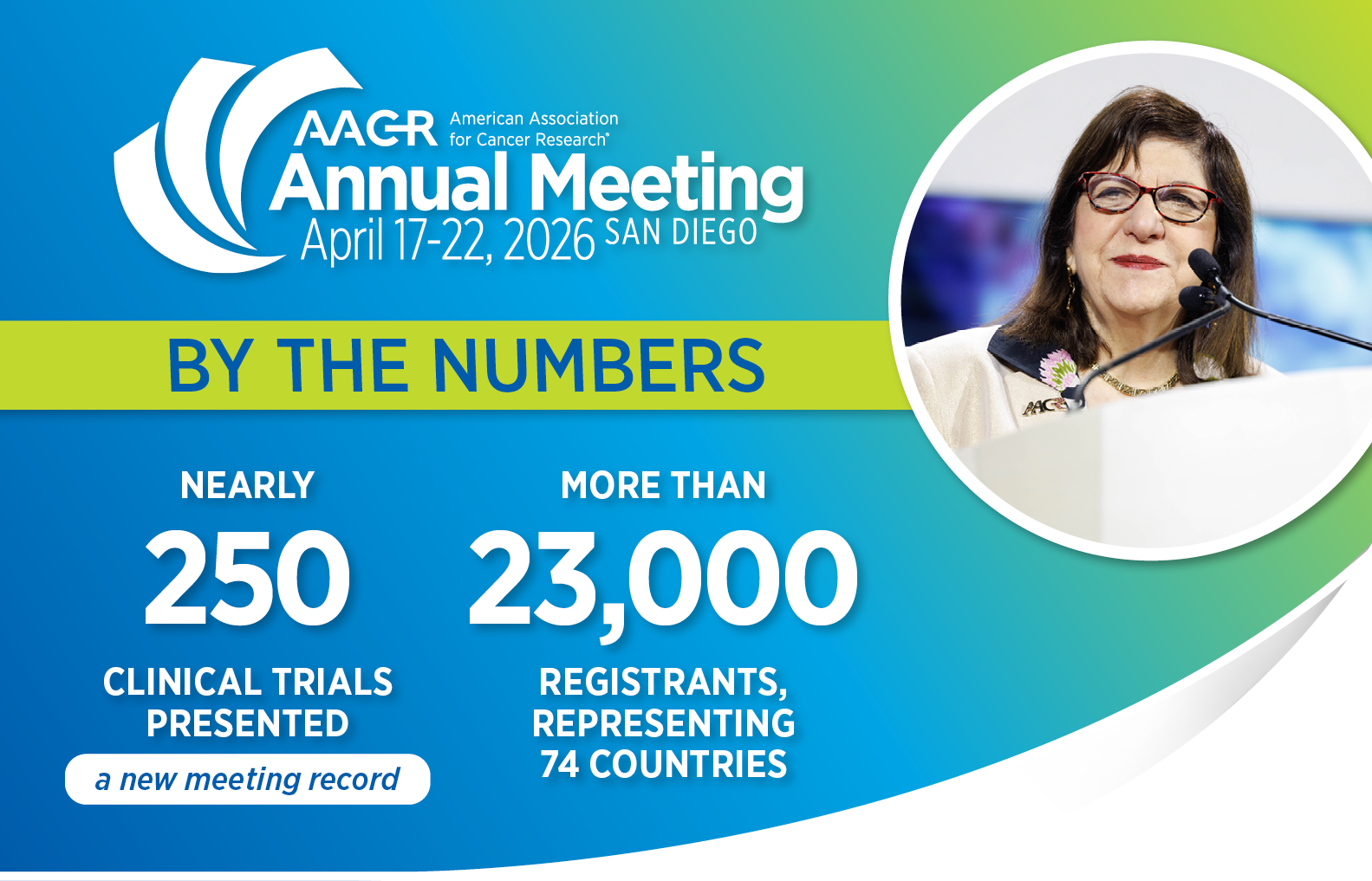
AACR CEO Margaret Foti, PhD, MD (hc): Thank you for an incredible AACR Annual Meeting 2026!
The AACR Annual Meeting 2026 featured a spectacular display of the progress that is being made against cancer due to your tremendous efforts. All of you—cancer researchers, clinicians, other health care professionals, survivors, and patient advocates—contributed your invaluable perspectives to a monumental demonstration of what science can achieve, especially when we work together.
-
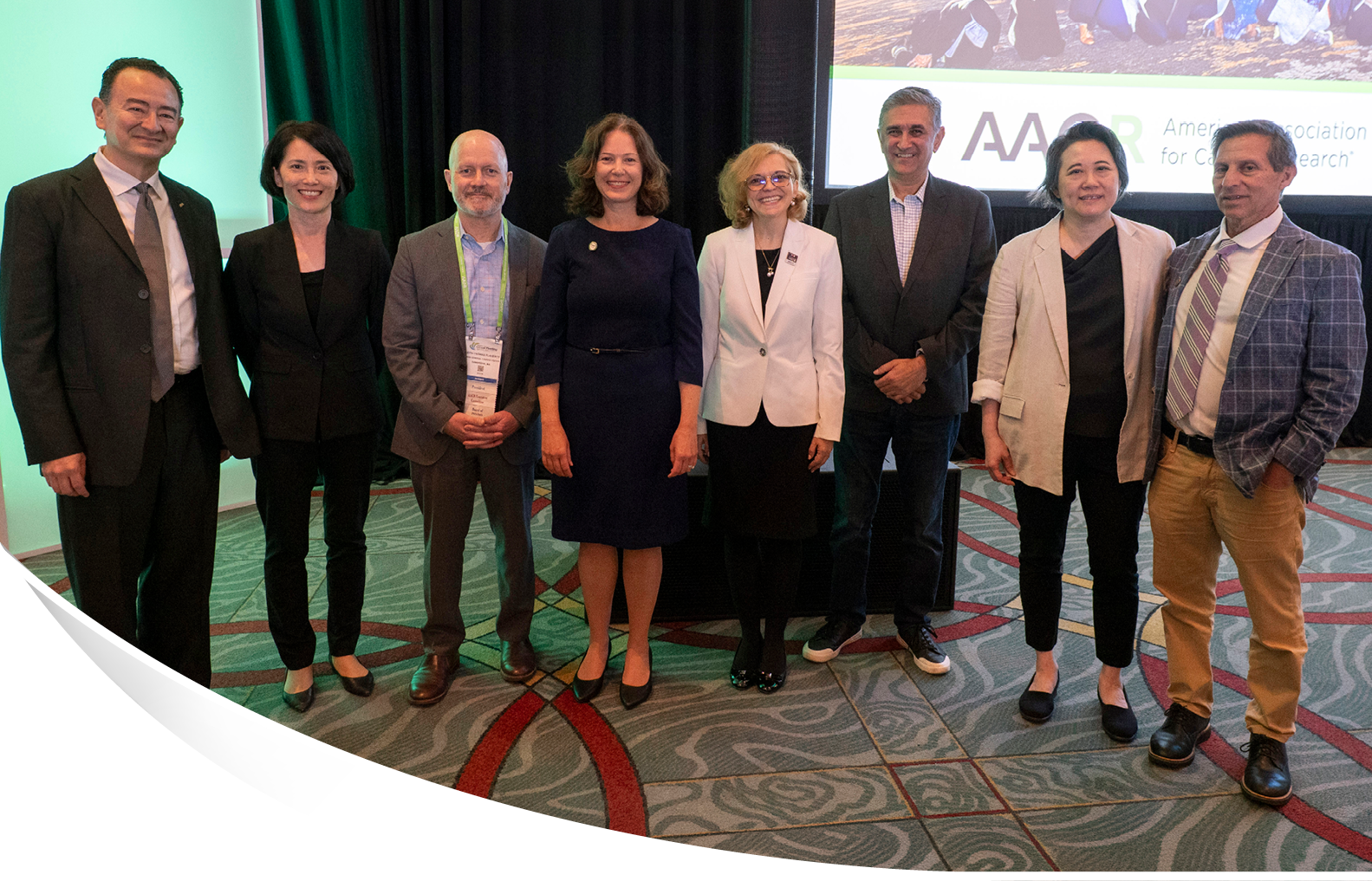
Closing Plenary Session examined highlights from the AACR Annual Meeting 2026
Katerina A. Politi, PhD, identified takeaways emerging from presentations in basic and translational science, including that fundamental insights into cancer biology are revealing new strategies to treat cancer and overcome treatment resistance.
-
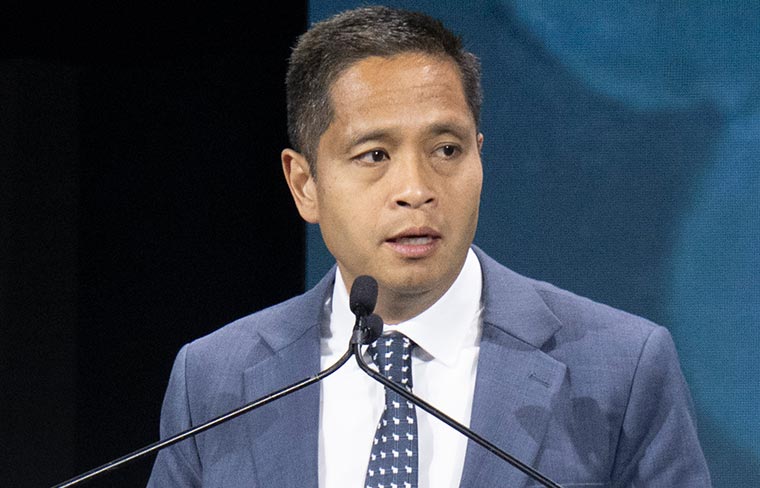
Fourth Plenary Session explored generational trends and possible drivers of early-onset cancers
Andrew T. Chan, MD, MPH, chaired the session, which examined the rising incidence of early-onset cancers and the potential contributions of obesity, bacterial exposures, and weaning to this trend.
-
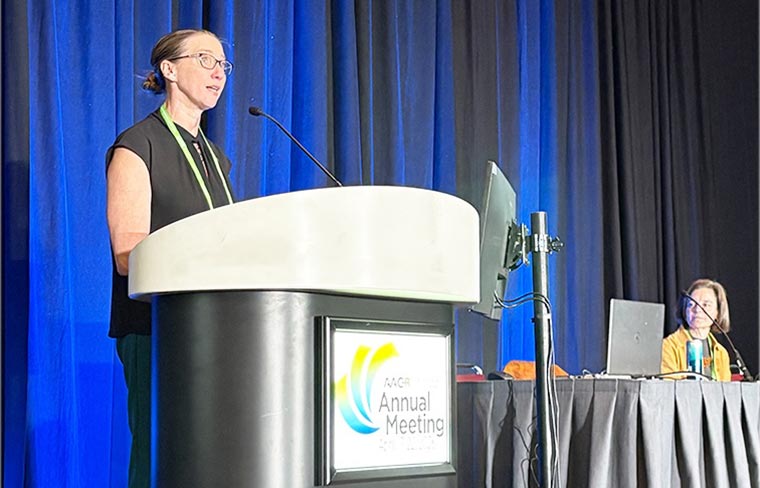
Second New Drugs on the Horizon session featured first disclosure of four more innovative therapeutics
The session spotlighted a human-sialidase-armed antitumor antibody, a novel CDK2 inhibitor, a molecular glue degrader, and a dual-payload antibody-drug conjugate.
-
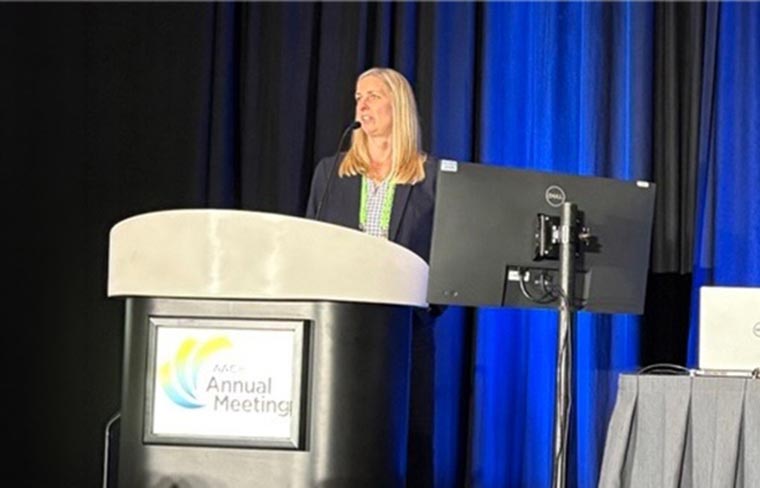
Final New Drugs on the Horizon session completed the series with the last four novel molecules
Presenters described a first-in-class inhibitor of cyclin A/B-substrate interaction, a molecular glue degrader for the treatment of acute myeloid leukemia, a novel antibody-drug conjugate, and a dual T-cell agonist selective for a specific T-cell subtype.
-
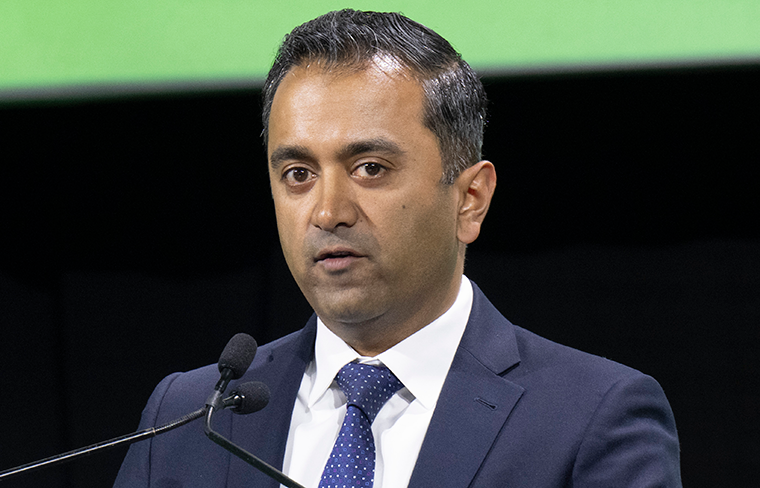
Third Clinical Trials Plenary Session delved into next-generation cellular therapies and immunotherapies
Omar Nadeem, MD, discussed results of the CAR-PRISM trial, which evaluated the use of ciltacabtagene autoleucel in patients with high-risk smoldering myeloma, an early, asymptomatic form of multiple myeloma.
Meet the 2026 NextGen Stars